Skip to content
Select a year (will load new webpage)
Stop animation

Patient Ombudsman 2025/26

The full picture

Understanding health care experiences from every angle

Illustration of a gem, with each facet showing a moment in one person’s journey: looking out the window in uncertainty after receiving news; hand covering their face while they sit in their wheelchair; a phone conversation; person in wheelchair with doctor and caregiver.

Better Experiences
Better Health Care

Patient Ombudsman’s message

“Behind every complaint to our office is a person or family trying to make sense of a health care experience that left them with questions or concerns, wondering where to turn.”

About our office

Our role is to help resolve complaints from patients, long-term care home residents and caregivers about their health care experiences in an independent, impartial and confidential manner.

Our commitment to Indigenous patients, families and communities

Through our work, we have had the opportunity to meet with individual complainants and communities and hear directly about the harms Indigenous people experience within the health care system.

2025/26 at a glance

306 open cases carried over from 2024/25
5,226 new complaints received in 2025/26
5,112 complaints closed in 2025/26
420 open cases carried over to 2026/27

Patient Ombudsman continues to see a steady increase in the number of people reaching out to us for support each year. At the start of the 2025/26 fiscal year (April 1, 2025, to March 31, 2026), we carried forward 306 open written complaints from the previous year. Over the course of the year, the office received a total of 3,037 complaints to the call centre and 2,189 new written complaints, which represents a 7% overall increase in the number of new complaints received in 2025/26. This includes a 26% increase in written complaints compared to 2024/25, while new complaints to the call centre decreased by 4%.


Year-over-year growth of new written complaints and new call centre complaints

Bar graph showing the year-over-year growth in complaints at Patient Ombudsman from 2016 to 2026. There is an overall trend of increasing complaints, up to year 2025/26 which had the most complaints to date (5,226).

Patient Ombudsman investigations

Patient Ombudsman completed five investigations in 2025/26, with one additional investigation underway at the end of the fiscal year in March 2026.

These investigations include the office’s first systemic investigation into a disruption in home care medical supplies, which was completed one year to the day the disruption occurred.

Acting on Patient Ombudsman recommendations

Since the office opened in 2016, Patient Ombudsman has completed 19 investigations resulting in 130 recommendations to health care organizations. Investigation summaries, including recommendations, are available on our website.

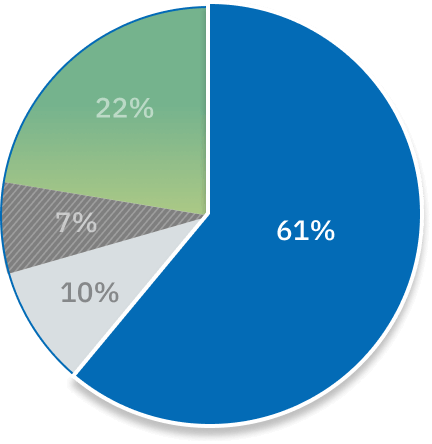
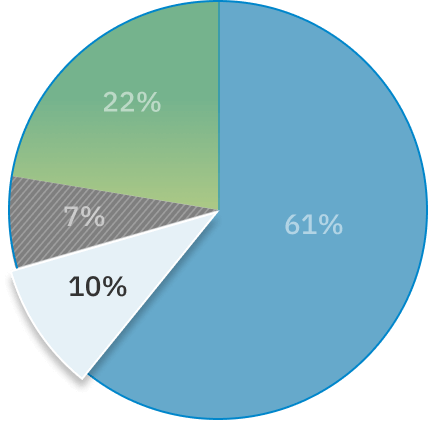
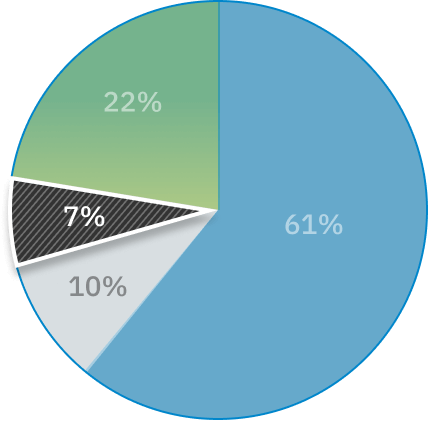
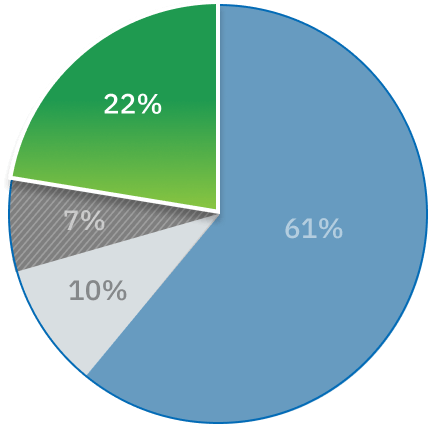
After investigations are complete, we follow-up with organizations to see how they are implementing the recommendations and track their progress. To date, 81.5% of recommendations have been fully implemented and 9% are in progress. Some recommendations require significant time and resources before being fully implemented, for example when organizations have to roll out staff training or restructure processes.

Reporting on these outcomes provides ongoing transparency and a quick “at-a-glance” view of how health care organizations are moving forward with implementing changes.

Investigations recommendation actions 2019-2026

Stacked bar graph showing the number of investigations per topic between 2018 and 2026 categorized by status: Fully implemented, unable to implement, no actions taken, and in progress.

*No recommendations made.

Spotlight issues

Insights to guide better health care experiences

Patient Ombudsman monitors the complaints we receive to identify emerging issues. Our “Spotlight” stories shine a light on the kinds of cases we receive, how we achieve resolutions, and where health organizations can look for opportunities to improve patient and caregiver experiences.
Spotlight 1 of 5: Ensuring clear communication after critical incidents

People often feel vulnerable when they need care. When things don’t go as planned, poor communication and unclear information can make the experience even more stressful.

Read Spotlight 1
Read Spotlight 1
Illustration inside a gem facet: Doctor sitting across the table from a patient or caregiver, having a conversation.

Spotlight 2 of 5: Home First – Communication and coordination in discharge planning

Patient and caregiver concerns about safe, coordinated discharges continue to be a top five complaint about public hospitals, this year accounting for 13% of complaints.

Read Spotlight 2
Read Spotlight 2
Illustration inside a gem facet: doctor gesturing to a laptop while talking to two smiling people.

Spotlight 3 of 5: Disputes about fees and billing

Questions about coverage, fees, and payment responsibilities can add stress during an already difficult time. While Ontario’s health care system is publicly funded, patients may still be charged fees when accessing care.

Read Spotlight 3
Read Spotlight 3
Illustration inside a gem facet: person holding papers and looking mildly perplexed.

Spotlight 4 of 5: Follow-up on complaints about lost personal property in hospitals and long-term care homes

Loss of personal property in hospitals and long-term care homes continues to be a common concern for patients and their caregivers, and complaints happen when patients’ belongings are misplaced, stolen or not returned during their care experience.

Read Spotlight 4
Read Spotlight 4
Illustration inside a gem facet: eyeglasses next to a denture box.

Spotlight 5 of 5: Follow-up on complaints about emergency departments

Concerns about care in hospital emergency departments was previously highlighted in our 2021/22 and 2024/25 annual reports, reflecting the ongoing challenges patients and caregivers experience when seeking emergency care.

Read Spotlight 5
Read Spotlight 5
Illustration inside a gem facet: people lined up at a desk with an H on the front. Some are carrying bags or using a walker.
“Merely saying “thank you” seems so inadequate ... when we were really down and at our most vulnerable you came through for us, and we cannot truly thank you enough.”

Complaints data

Exploring the data about complaints

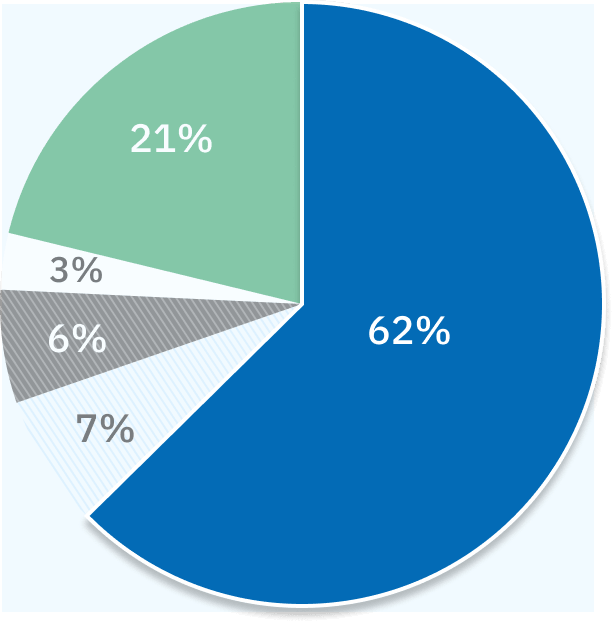
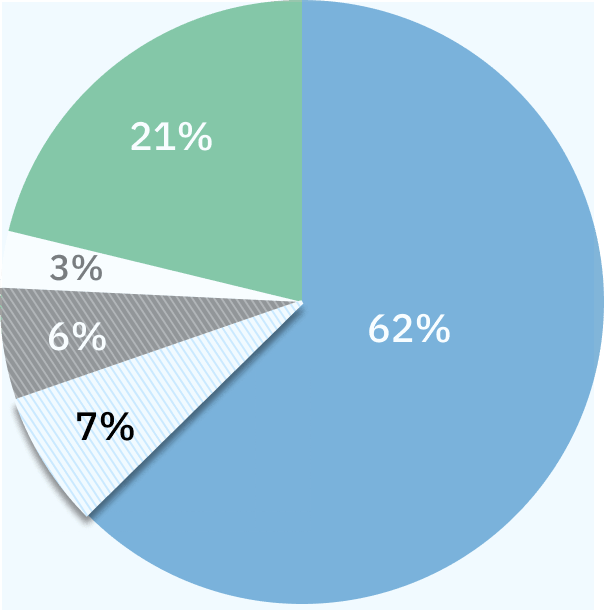
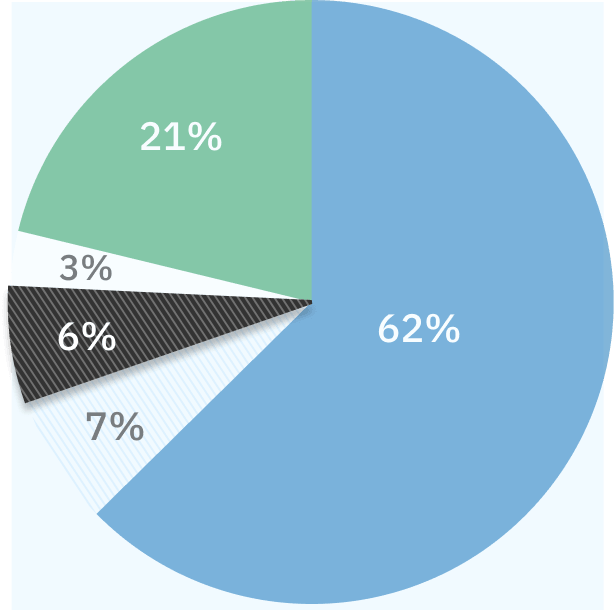
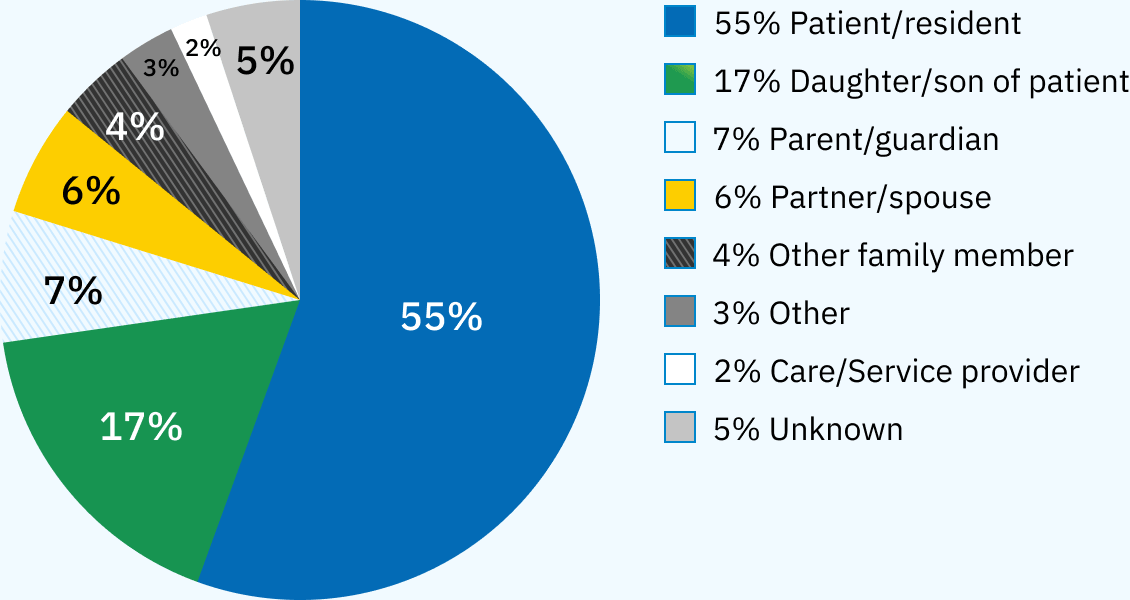
Who contacted Patient Ombudsman?

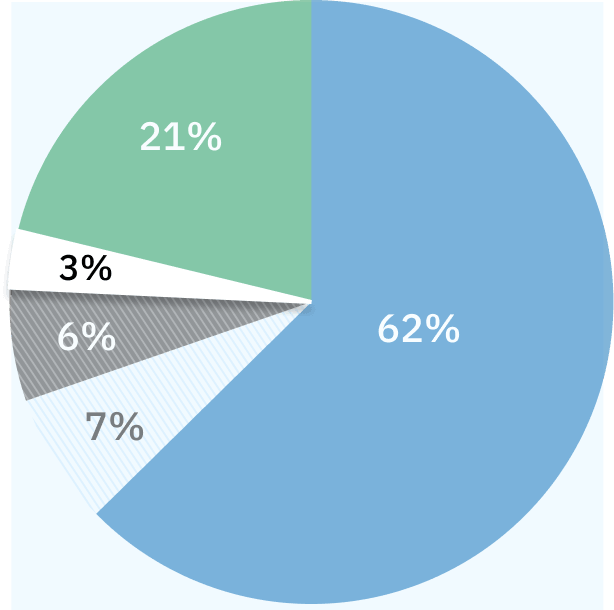
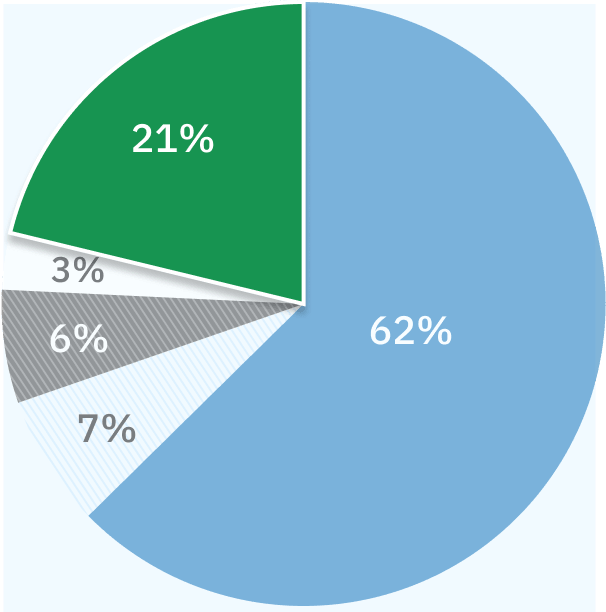
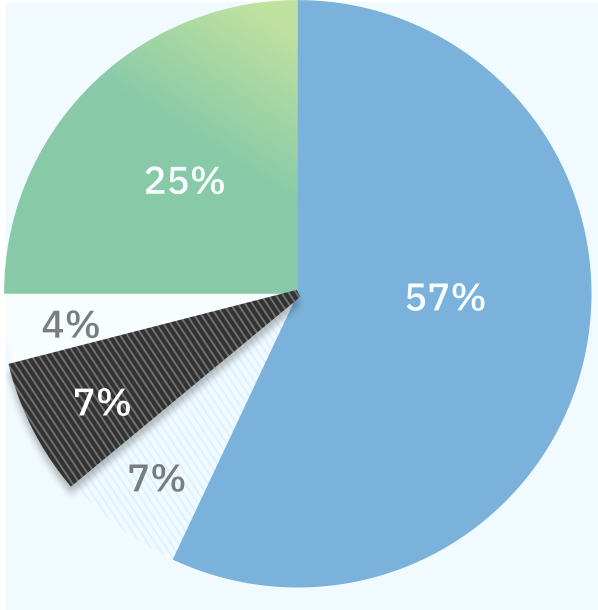
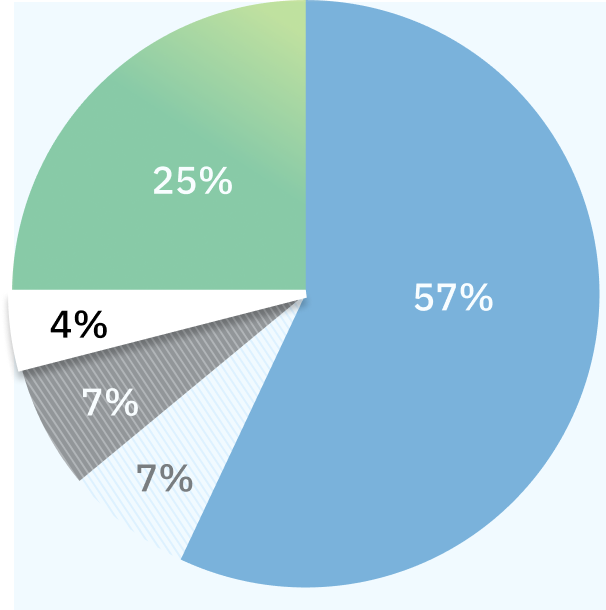
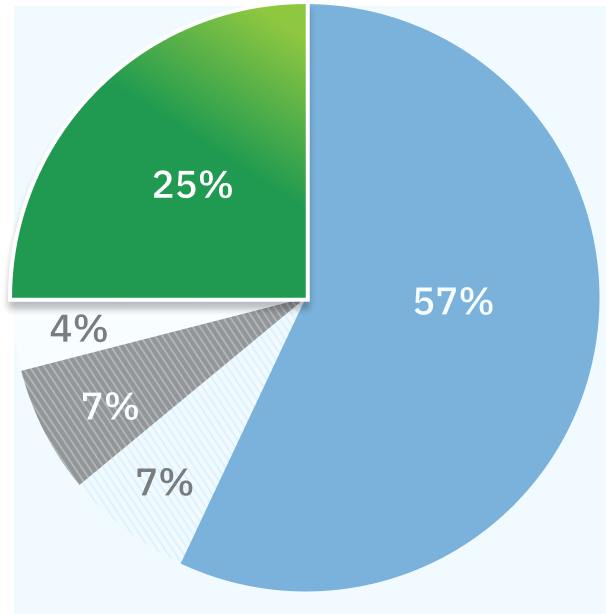
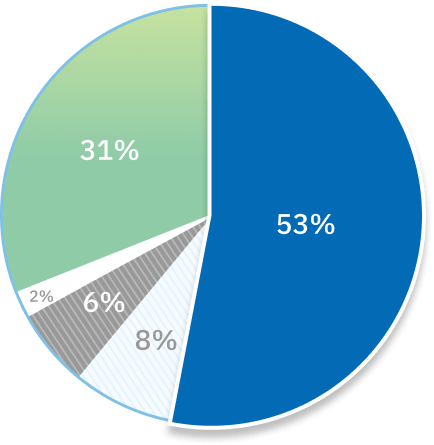
Pie chart showing breakdown: 55% Patient/resident; 17% Daughter/son of patient; 7% Parent/guardian; 6% Partner/spouse; 4% Other family member; 3% Other; 2% Care/Service provider; 5% Unknown

Patient experience

A patient contacted us following an ultrasound appointment at an Integrated Community Health Service Centre, where they felt staff made inappropriate and culturally insensitive comments.

Seeking feedback and responding to concerns about our services

The complaints we receive tell us a lot about people’s experiences with health care but not always about their experience working with our office.

In our Strategic Plan 2024–2027, we recognized the importance of hearing directly from those who interact with our office. Feedback from patients, long-term care residents, caregivers and health care organizations provides valuable insight into how we can better serve the people we work with.

In 2025, Patient Ombudsman began planning to anonymously survey complainants and health care organizations to gather feedback on key parts of the complaint experience, including awareness and understanding of our office, accessibility, and service experience.

Our feedback process

In September 2025, Patient Ombudsman formally launched our complainant feedback survey and invited people who had submitted a written complaint with our office during the 2025/26 fiscal year to share feedback on their experience. The survey was available in both French and English and was sent by email (also available in other formats) to eligible complainants after their case was closed. The surveys were sent out each month on a rolling basis throughout the year. Some complaints, like those related to whistleblowing, were excluded.

A total of 2,038 surveys were sent to eligible complainants, and 385 anonymous responses were received (19% response rate). The majority of respondents completed the survey in full, which, on average, took five minutes to complete. Respondents were also invited to share sociodemographic information – such as age, race and preferred language – to help us understand the diversity of individuals who contact our office.

What we heard

The survey highlighted several areas where we are providing a positive experience for complainants: many reported that it was easy to find information about our office and that our staff were respectful. We also heard that engaging with our office helped individuals become more familiar with our role and the work we do.

At the same time, the results point to important opportunities for improvement for our office. Some complainants found it hard to understand what our office could and could not do and noted they needed clearer explanations of decisions or the complaint resolution when their case was closed.

Survey findings showed that complainant experiences varied depending on the support our office was able to provide. Complainants whose concerns we were able to resolve with the health organization were more positive about their experience, while those who were referred to another organization better suited to resolving their concern were more likely to be dissatisfied. Across all complainant experiences, a few themes emerged. These included:

  • The need for clearer explanations of our role and processes
  • Resolving complaints in a quicker timeline
  • Stronger support in navigating referrals to other organizations

Complainants’ willingness to recommend our office to others further reflects these mixed experiences. While some said they would recommend our services, others were less likely to do so, especially if they felt uncertain about what our office can do, felt our role was limited, or our timelines too long. Overall, the results highlight that while some complainants have positive experiences, there are clear opportunities to strengthen how we inform complainants about our role, communicate expectations, and support people throughout the complaint process.

To build a more complete understanding of experiences with our office, we have also expanded this project to include health organizations. In 2026/27, we will be launching an anonymous survey for health care organizations to better understand their experience working with our office. Together, the perspectives of complainants and health care organizations will help us improve our processes and provide better service to everyone.

Improving our efficiency and effectiveness

As complaint volumes continue to grow, Patient Ombudsman has focused on ways we can improve our efficiency and effectiveness while maintaining high-quality and responsive services to the people who come to us for help.

As noted earlier, Patient Ombudsman was able to increase the total number of cases closed in 2025/26 by 5%.

New written complaints undergo a rigorous triage process to ensure they are assigned for resolution as quickly as possible based on urgency and fairness considerations.

Summary

Final thoughts

With the completion of our tenth annual report, we can’t help but reflect on the evolution of this office’s work, the hundreds of relationships established with health organizations and the thousands of health care experiences people have shared with us.

The stories and data shared in this report not only detail the complaints we resolved and investigations we carried out last year but also highlight the work still to come: resolving a growing number of complaints, carrying out a greater number of investigations, improving our own service, and sharing what we learn so that changes can be made across the health care system.

We would like to thank the patients, long-term care residents and caregivers who came to us with their concerns as well as the patient relations, administrative and health care staff who work with us to make the health system fairer for everyone.

“For the very first time in our journey ... I truly felt supported and not just another case file.”